Government Social Research Profession
Featured
GSR Research Officer Scheme
Guidance
Join us as a Research Officer to launch a brilliant career in Government Social Research.

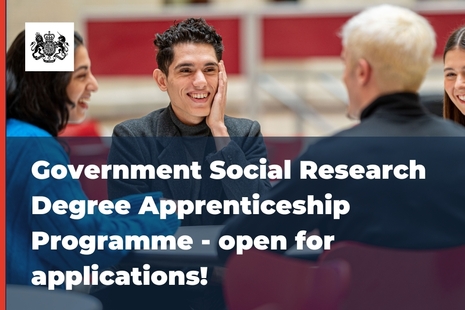
The GSRDAP is a four-year apprenticeship programme which offers a first of its kind opportunity to gain real working experience while studying for an undergraduate degree.
The Government Economic and Social Research (GESR) Team run a 12-month sandwich student placement scheme aimed at students who are seriously considering a career in the Government Social Research (GSR) profession after graduation.

GSR Strategy 2021-2025: Social Research In and For Government
Corporate report
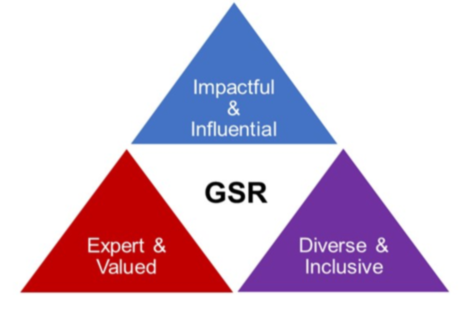
GSR’s plan to improve government strategy, policy and delivery through putting people and society at the heart of government decision making
About us
About
The Government Social Research profession supports the development, implementation, review and evaluation of government policy.

GSR Diversity and Inclusion Strategy 2021-2025
Corporate report
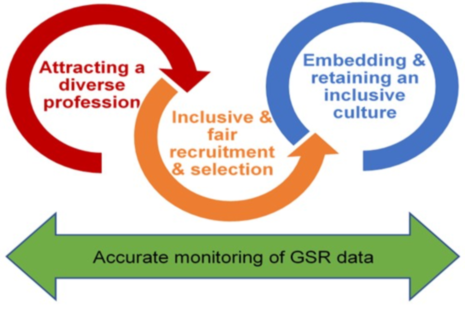
To strengthen GSR through improving our diversity and inclusion, thereby improving GSR’s evidence and advice to inform decision-making
Latest from Government Social Research Profession
What we do
The Government Social Research profession supports the development, implementation, review and evaluation of government policy.
Government Social Research Profession is part of the Civil Service.
Follow us
Documents
Transparency and freedom of information releases
Contact Government Social Research Profession
General enquiries
HM Treasury
1 Horse Guards Road
London
SW1A 2HQ
United Kingdom
Make an FOI request
- Read about the Freedom of Information (FOI) Act and how to make a request.
- Check our previous releases to see if we’ve already answered your question.
Corporate information
Jobs and contracts